
The File
Reference guides and best-of lists, for when you need more than one restaurant.
A review answers one question: is this room worth booking tonight? The File answers the slower ones — which of London's Michelin-starred kitchens actually justify the price of entry, where the city's Italian cooking is genuinely worth crossing town for, and which Sunday roasts still deserve a week's planning. Each guide is built from the same visits and standards as the reviews, cross-linked to the full write-ups where they exist, and corrected whenever the ground shifts — a closed kitchen or a lost star never survives an update. Start here when the occasion comes first and the restaurant second.
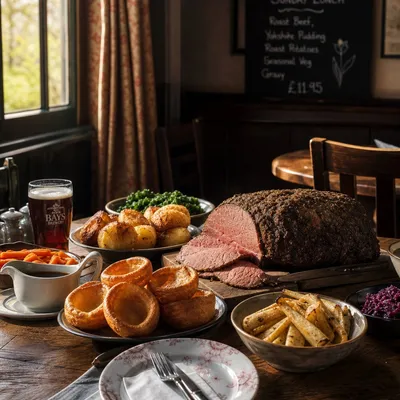
The Best Sunday Roast in London
Where a proper Sunday lunch is still worth planning a week around — from a Michelin-starred pub in Fulham to a sharing feast in Islington.
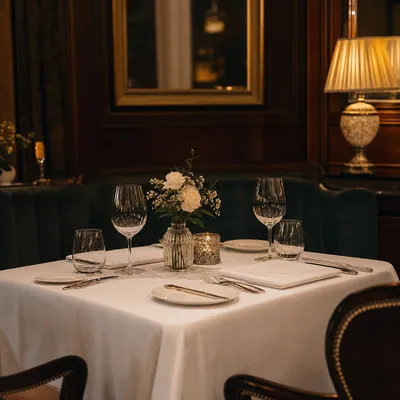
London's Michelin-Starred Restaurants
Every tier of London's Michelin stars — the six three-star dining rooms and the one-star kitchens actually worth the wait, cross-checked by our critics.
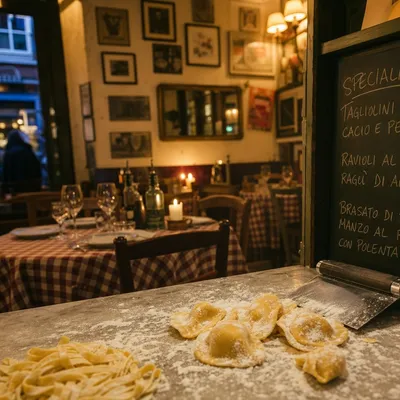
The Best Italian Restaurants in London
From a decades-old Bermondsey trattoria to a queue-worthy Borough Market pasta counter — where London's Italian cooking is genuinely worth booking for.
What a guide is for
A restaurant review is written for a decision that has to be made tonight. The guides collected here are written for the ones that take longer — a birthday that needs the room to carry the evening, a visitor who wants the version of London they cannot get at home, a Sunday that is worth planning a week around. Each one is built from the same anonymous visits and the same standards as the reviews, and each is cross-linked to the full write-ups where they exist, so a shortlist can be read at two depths without starting again.
The three guides, and what each is narrow about
The Michelin guide covers every tier rather than only the top of the list, because the tiers behave differently: the three-star rooms are a fixed, small set that changes rarely, while the one-star kitchens are where the real churn and most of the value sit. London currently carries more stars than any city outside Tokyo and Paris, which makes the question less “which rooms have stars” than “which of them are worth the wait”.
The Italian guide starts from a split that anyone eating around the city notices eventually: rooms that have been cooking one region’s food properly for decades, and a newer wave built around a single obsessively narrow idea — one pasta shape, one style of pizza, a deli counter that turned into a dining room. Both camps are represented, because they answer different evenings.
The Sunday roast guide is the most technical of the three, since a roast is a narrow thing to get right: a joint that has actually been rested, gravy made from the roasting tray rather than a stock cube, a Yorkshire pudding crisp at the edge and soft in the middle, and timing tight enough that nothing has gone cold waiting for something else to catch up. Most kitchens fail on the last point.
How they are kept honest
A best-of list ages faster than a review, because it makes a claim about a whole field rather than one room. These are revisited whenever the ground shifts — a closed kitchen or a lost star never survives an update — and corrections are applied to the guide and the underlying review together rather than to whichever page someone happens to open. Where a guide names a restaurant that does not yet have a full review, the entry is still checked against the venue directly rather than a listings aggregator.
Where to start
If the occasion is fixed and the restaurant is not, start with the guide that matches it and follow the links into the individual reviews from there — the guide narrows the field, the review tells you whether to book. If you already know roughly where you will be, the neighbourhood pages are the faster route, since they cover the same rooms grouped by area rather than by theme. Either way the reviews are the destination: that is where the address, the opening hours, what to order and the honest verdict on the room live.